


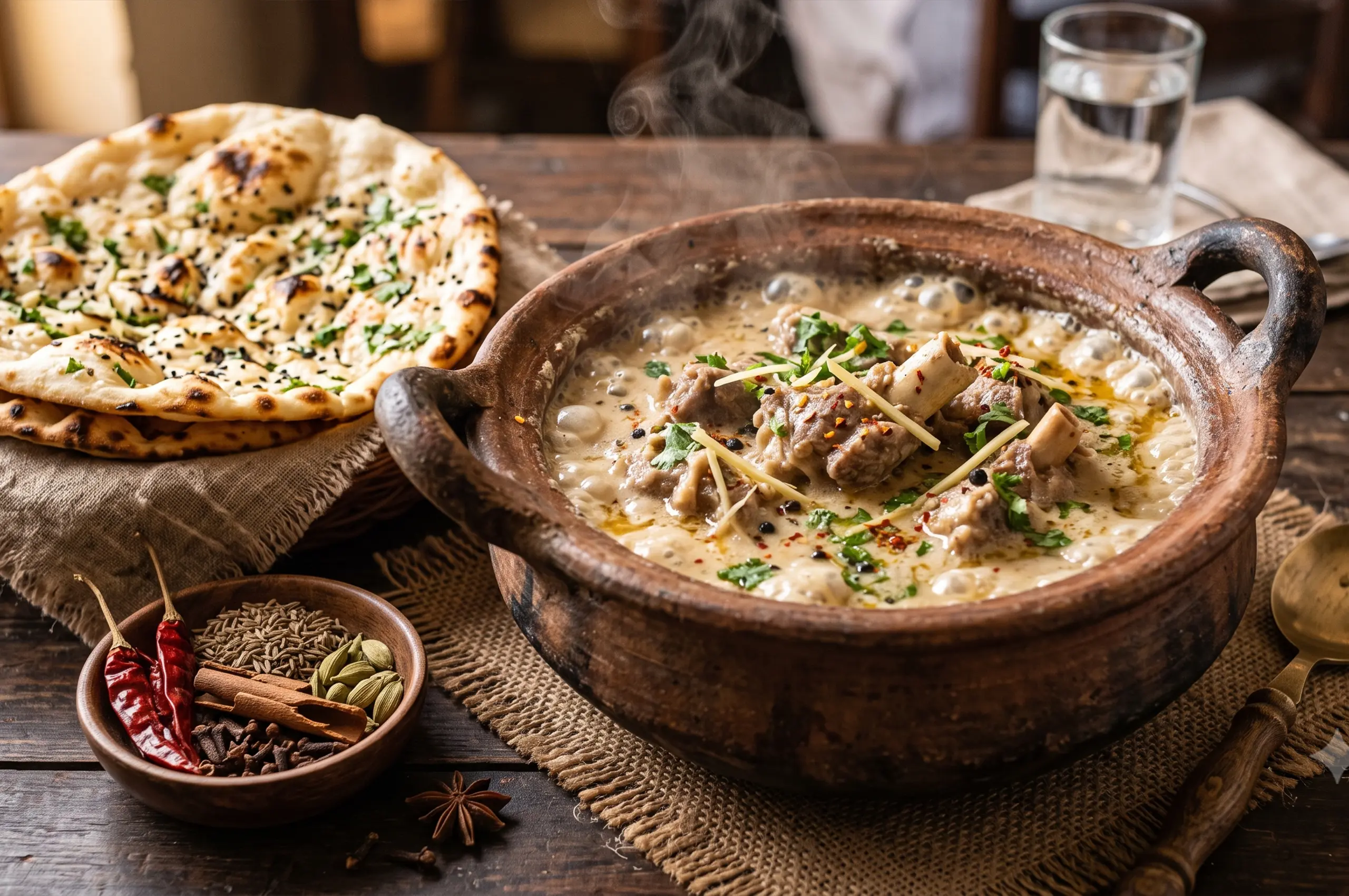
If you have ever traveled along the grand GT Road or stopped at a bustling highway dhaba on the outskirts of Lahore or Peshawar, you have likely experienced the unforgettable aroma of a freshly prepared Mutton Makhni Handi. Served bubbling hot in a rustic, unglazed clay pot with melting butter running down the sides, this dish represents the pinnacle of Pakistani comfort food and traditional hospitality.
Unlike a standard mutton korma or stew, an authentic Mutton Makhni Handi is celebrated for its incredibly silky, buttery gravy and tender, fall-off-the-bone lamb or goat meat. The magic lies in the slow-cooking process and a perfectly balanced dairy emulsion that clings to every bite of fresh naan.
For years, home cooks have tried to recreate this highway masterpiece, only to end up with a watery curry, stringy meat, or a heavy tomato sauce that overpowers the natural flavor of the mutton.
Today on Findup.pk, we are sharing the exact culinary secrets, spice ratios, and clay-pot techniques used by professional ustaads (master chefs) along Pakistan’s highways so you can recreate the ultimate Mutton Makhni Handi right in your own kitchen.
Why Is Highway Handi Different From Home Cooking?
The secret behind a commercial highway handi comes down to three foundational techniques that transform basic ingredients into a restaurant-grade delicacy:
- The Clay Pot (Handi) Alchemy: Traditional unglazed clay pots are porous, allowing heat and moisture to circulate gently and evenly. This slow, uniform heat retention tenderizes tough meat cuts without stripping them of their natural juices and imparts a distinct earthy, rustic aroma that stainless steel pans simply cannot replicate.
- The Two-Stage Fat Infusion: Highway chefs do not just cook with oil; they build flavor using a strategic blend of oil for high-heat searing (bhunaai) and finish the dish with generous amounts of pure makhan (white or yellow butter) and fresh cream at the very end to create a velvety, emulsified glaze.
- Minimalist White and Pepper Spicing: Unlike traditional red curries, an authentic Makhni Handi relies heavily on cracked black and white peppercorns, roasted coriander, and cumin. Red chili powder is kept to an absolute minimum or avoided entirely to preserve the golden-creamy color of the sauce.
Complete Ingredient List
To serve 4 to 6 people, you will need the following exact measurements. For the best culinary results, always try to use fresh goat or lamb meat with a slight amount of fat attached, as this renders down to create a deeply flavorful broth.
The Meat & Base
- Mutton (Goat or Lamb): 1 kg (2.2 lbs) — small curry cuts, preferably a mix of shoulder and leg meat with bone-in for maximum flavor depth.
- Cooking Oil or Ghee: ½ cup — used for the initial searing and frying process.
- Butter (Makhan): 4 tablespoons (60 grams) — divided into half for cooking and half for the final garnish.
- Onions: 2 medium — finely chopped and boiled for 8 minutes, then blended into a smooth paste.
- Tomatoes: 2 medium — blanched, skinned, and pureed into a smooth paste (used sparingly for acidity and a pale golden hue).
- Ginger-Garlic Paste: 2 tablespoons (freshly crushed yields the strongest aroma).
The Dairy & Nut Binding
- Plain Yogurt (Dahi): ¾ cup (180 grams) — whisked thoroughly until completely smooth and free of lumps. Ensure it is fresh and not sour.
- Fresh Cream / Heavy Cream: ½ cup (125 ml) — brought to room temperature before use.
- Cashew or Almond Paste: 2 tablespoons — soak 10–12 raw cashews or blanched almonds in warm water, then blend to a smooth paste. This acts as the secret natural thickener used by highway chefs.
The Aromatic Spices
- Cracked Black Pepper: 1 tablespoon — freshly cracked gives a bold, rustic burst of heat without darkening the sauce too early.
- White Pepper Powder (Dakhni Mirch): 1 teaspoon — provides smooth, lingering warmth.
- Roasted Cumin Powder (Zeera): 1 ½ teaspoons.
- Roasted Coriander Powder (Dhania): 1 tablespoon — coarsely crushed between your palms or in a mortar.
- Turmeric Powder (Haldi): ¼ teaspoon — just enough to give the gravy a warm, appetizing golden tint.
- Salt: 1 ½ teaspoons (or according to taste).
- Green Chilies: 4 to 5 whole chilies — slit down the center.
For Garnishing
- Fresh Butter: 2 tablespoons — placed directly on top before serving.
- Fresh Ginger: 2-inch piece, sliced into thin juliennes.
- Fresh Cilantro (Dhania): 2 tablespoons, finely chopped.
- Fenugreek Leaves (Kasuri Methi): 1 teaspoon — lightly dry-roasted and crushed between your palms.
Step-by-Step Cooking Instructions
Follow these steps chronologically. If you are using a traditional clay pot, make sure it has been properly soaked in water for at least 6 hours before heating it over a flame to prevent cracking.
Step 1: The High-Heat Sear (Bhunaai)
Place your clay handi or heavy-bottomed pot over medium-high heat. Add ½ cup of oil or ghee along with 2 tablespoons of butter. Once melted and sizzling, add the freshly crushed ginger-garlic paste and sauté for 45 seconds until aromatic. Add the mutton pieces immediately. Sear and fry the meat on high heat for 8 to 10 minutes until the raw pink color turns opaque and lightly browned, sealing the natural juices inside.
Step 2: Developing the Onion-Tomato Base
Add the boiled onion paste to the seared meat. Stir continuously for 5 minutes to cook out the raw onion flavor. Next, pour in the pureed tomato paste and turmeric powder. Cook over medium-high heat for another 6 to 8 minutes until the moisture evaporates and the oil begins to separate around the edges of the handi.
Step 3: Tenderizing the Meat (The Slow Simmer)
Pour in 2 cups of warm water (if using goat meat, you may need 2 ½ cups). Bring the liquid to a gentle boil, then lower the flame to the absolute minimum. Cover the clay pot tightly with a lid and let it slow-cook (dum) for 60 to 75 minutes. Check occasionally and stir gently until the mutton is exceptionally tender and easily falls off the bone when pressed with a fork.
(Note: If you are short on time, you can pressure cook the mutton with the onion-tomato base and water for 20 minutes, then transfer it back to a wok or clay pot for the remaining steps).
Step 4: Spicing and The Yogurt Emulsion
Once the meat is tender and the water has reduced to a thick coating, increase the heat slightly to medium. Add the salt, roasted coriander powder, and roasted cumin powder. Sauté for 2 minutes.
Lower the flame completely to prevent dairy curdling. Pour in the smooth, whisked yogurt while stirring rapidly. Continue to mix for 3 minutes until the yogurt blends seamlessly into the oil and rich meat juices, creating a glossy, unified gravy.
Step 5: The Velvet Finish (Cream & Nuts)
With the flame still on low, stir in the cashew paste, white pepper powder, and freshly cracked black pepper. Cook gently for 2 to 3 minutes as the gravy thickens into a rich, buttery coating.
Finally, pour in the room-temperature heavy cream and slit green chilies. Gently fold the cream into the dish. Sprinkle the crushed Kasuri Methi over the top. Cover and let it simmer on the lowest flame for just 3 to 4 minutes. Do not let the curry boil vigorously after adding the cream, as it can cause the fat to separate and lose its velvety texture.
Step 6: Final Garnish & Smoke (The Dhaba Touch)
Turn off the heat. Top the bubbling handi with the remaining 2 tablespoons of fresh butter, julienned ginger, and chopped cilantro.
Chef’s Secret for Dhaba Aroma (Dhungar Method): To capture that authentic highway roadside flavor, heat a small piece of natural wood charcoal over an open flame until glowing red. Place it inside a small foil cup or onion layer in the center of the handi. Drizzle ½ teaspoon of ghee over the hot coal. As soon as thick smoke billows out, cover the pot tightly with a lid for 3 to 4 minutes. Remove the coal before serving.

Why Did My Mutton Handi Fail?
If you have tried preparing a highway-style handi before and faced textural or flavor issues, here is how professional chefs diagnose and solve common kitchen challenges:
| Problem | Culinary Cause | The Professional Solution |
| Meat is tough or chewy | Insufficient slow-cooking time or cooking at too high a boil. | Always simmer mutton on low heat with a tight lid; clay pots require longer, gentler cooking times than metal pans. |
| Gravy looks curdled or grainy | Cold yogurt or cream added directly to a boiling hot pan. | Bring dairy to room temperature, whisk yogurt thoroughly, and lower the flame completely before stirring it into the pot. |
| Sauce turned too dark or brown | Adding black pepper too early or over-browning the onions. | Boil onions before blending to keep them pale; always add cracked black pepper and Kasuri Methi at the final stages of cooking. |
| Gravy is too thin and watery | Skipping the nut paste or adding too much water during the tenderizing stage. | Simmer uncovered on medium heat before adding cream to evaporate excess water, or stir in an extra tablespoon of cashew/almond paste. |
What to Serve with Mutton Makhni Handi
The rich, butter-heavy gravy of Mutton Makhni Handi requires robust, traditional Pakistani breads that can scoop up the thick sauce and complement its smoky, creamy notes:
- Roghni Naan: The soft, pillowy texture enriched with milk and topped with sesame seeds is the ultimate companion for highway handis.
- Garlic Naan: Provides a savory, aromatic punch that cuts through the richness of the heavy cream and butter.
- Khamiri Roti: A traditional sourdough-style flatbread that absorbs the buttery gravy beautifully without becoming soggy.
- Tandoori Roti: A crisp, lighter alternative that balances out the intense richness of the meat and makhan.
